When the morning rush hits and your cooler is packed to the brim with custom arrangements, figuring out how to organize multiple floral deliveries can feel like solving a complex puzzle under a tight deadline. One misplaced enclosure card or a driver heading to the north side of town when they should have gone south can disrupt your entire schedule and eat into your shop's profits. Managing a busy delivery day requires a systematic approach that balances geography, timing, and vehicle packing to ensure every design arrives fresh and intact.
By establishing a repeatable workflow for your delivery coordinators and drivers, you can reduce transit times, minimize driver frustration, and prevent costly redeliveries. In this guide, we will walk through the step-by-step process to organize multiple floral deliveries in one day, from the initial morning sort to handling unexpected issues on the road.
The Morning Sorting Process: Laying the Groundwork
Before any delivery van leaves the shop, your team must establish order in the staging area. The first hour of the day sets the pace for the entire delivery schedule. If you start with chaotic piles of paper tickets and unorganized arrangements, your drivers will spend more time searching for boxes than driving. Begin by gathering all delivery tickets for the day and matching them with the physical arrangements in your cooler.
Step 1: The Triple-Check Match
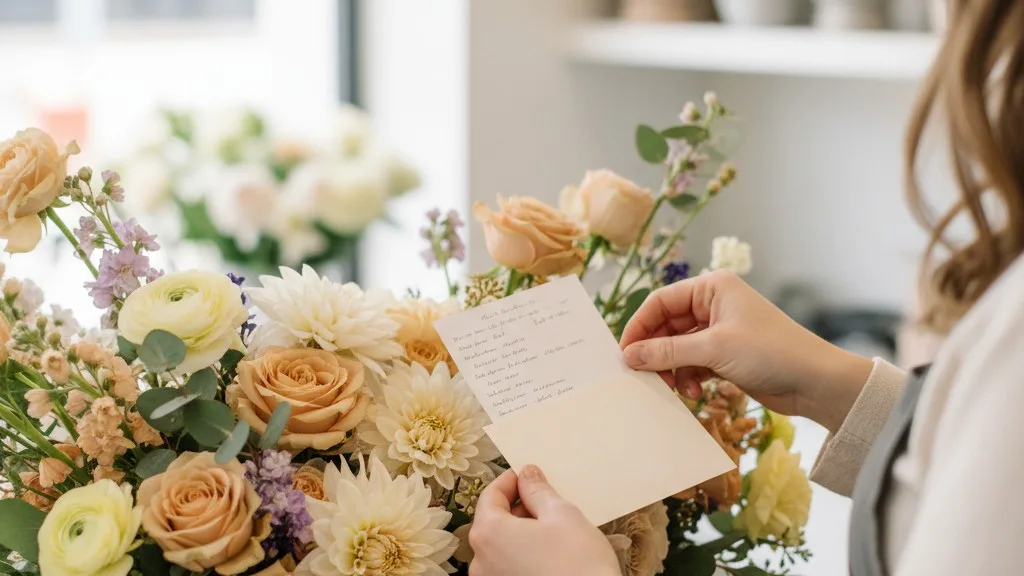
For every arrangement scheduled to go out, perform a three-point verification check. Match the name on the physical enclosure card, the name on the delivery ticket, and the actual design style in the vase. It is incredibly easy for cards to get switched during the final design phase or while arrangements are resting in the cooler. Verifying these details before anything is loaded prevents the embarrassing mistake of delivering a sympathy arrangement to a birthday celebration.
Step 2: Grouping by Delivery Windows
Once verified, sort your paperwork into physical piles based on the required delivery times. Create separate stacks for morning priority orders, afternoon business deliveries, and flexible residential drops. Having a clear visual of your time-sensitive commitments prevents your team from accidentally burying a midday funeral piece behind a dozen residential orders that could have waited until late afternoon.
Grouping Orders by Geographic Zones
Driving back and forth across town is the fastest way to lose money on fuel and vehicle wear. To organize multiple floral deliveries efficiently, you must divide your delivery territory into logical geographic zones. Even if you do not have a large fleet of vehicles, grouping deliveries by neighborhood allows a single driver to complete a high volume of drops with minimal mileage.
Create a physical or digital map of your delivery territory and establish clear boundaries for each zone. For example, you might have a North Zone, a Downtown Zone, and a South Hills Zone. As orders come in, assign them to these specific zones immediately. When you group orders geographically, your driver can complete five or six deliveries in a single neighborhood in the time it would take to make two deliveries on opposite sides of the city.
For shops handling highly sensitive orders, such as sympathy designs, geographic zoning must be balanced with strict timing. If you are coordinating deliveries for a memorial service, refer to our A Florist's Guide to Efficient Funeral Flower Delivery to see how to align geographic routing with the strict schedules of local funeral homes.
Prioritizing Deliveries by Time Sensitivity
Geography is important, but time constraints always take precedence. A residential delivery with a flexible window cannot be prioritized over a wedding installation or a funeral service with a hard start time. When planning your daily route, categorize every delivery into one of three priority levels:
- Priority 1: Hard Deadlines. These include funeral services, church weddings, timed event setups, and school deliveries that must arrive before the final bell. These orders must be scheduled first, and your route must be built around them.
- Priority 2: Business Deliveries. Most businesses close by 5:00 PM, and some offices close earlier on Fridays. These deliveries must be completed during standard business hours, usually between 9:00 AM and 4:00 PM, to avoid arriving after the recipient has gone home.
- Priority 3: Residential Deliveries. These are your most flexible orders. While customers appreciate receiving their flowers early, residential deliveries can generally be made throughout the day, up until early evening.
By layering these time priorities over your geographic zones, you can build a route that makes logical sense. If you have three residential deliveries and one business delivery in the North Zone, your driver should head to that zone during the business window, completing the residential drops along the way to maximize efficiency.
Preparing the Delivery Vehicle and Loading Sequence
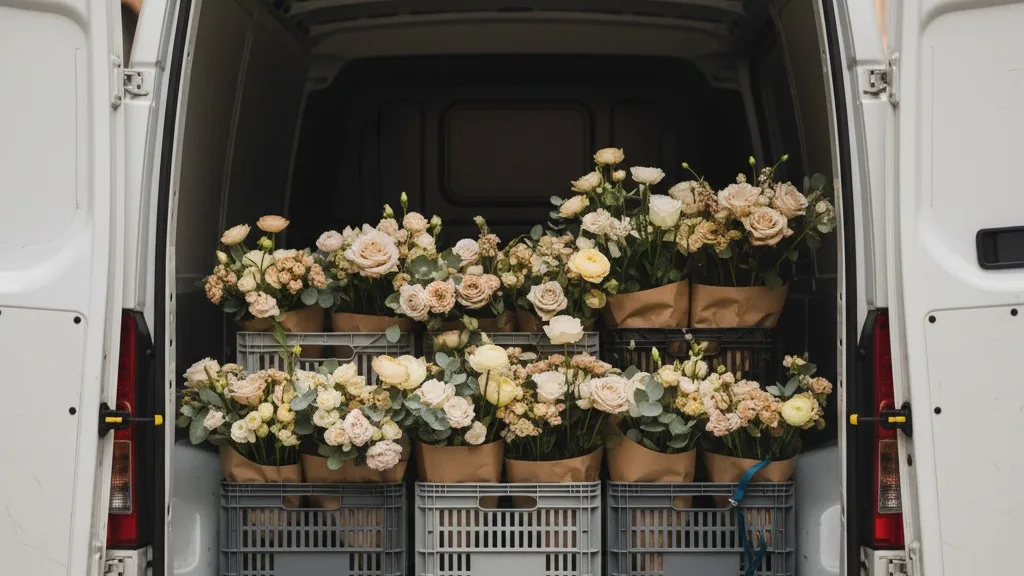
How you load your delivery van determines whether your arrangements arrive in pristine condition or in a pile of spilled water and broken stems. The golden rule of floral delivery loading is "Last-In, First-Out" (LIFO). The arrangements that will be delivered last must be loaded into the front of the cargo area (closest to the cabin), while the arrangements for the very first deliveries must be loaded last, right by the rear doors.
Before loading, ensure your delivery vehicle is properly equipped to transport fragile floral designs. Use sturdy delivery blocks, plastic crates, or custom foam inserts to keep vases upright and prevent them from sliding during sudden stops. Space your arrangements so that delicate blooms do not rub against each other or touch the metal walls of the van, which can transfer extreme heat or cold and damage the petals.
Temperature control is also vital. In the summer, run the vehicle's air conditioning for several minutes before loading to cool down the cargo area. In the winter, warm up the van to prevent tropical flowers like orchids from freezing during transit. Never leave arrangements sitting in an uncooled or unheated vehicle while the driver is taking a break or completing a long delivery inside a building.
Communicating with Drivers and Customers
Clear communication is the bridge between your shop's design bench and the recipient's front door. Your drivers need clear, legible instructions for every stop, including gate codes, apartment numbers, and specific drop-off preferences. Relying on verbal instructions or scribbled notes on the back of invoices is a recipe for missed deliveries and confused drivers.
Provide your drivers with a structured route sheet that lists the stops in the exact order they should be completed. This sheet should include the recipient's name, address, phone number, delivery window, and any special instructions, such as "leave on back porch if no answer." If your shop utilizes a digital system, drivers can access this information directly from their mobile devices while on the road.
Keeping the customer informed is equally important. Sending an automated SMS message when the delivery is on its way, or a confirmation text with a photo once the flowers have been safely dropped off, builds trust and reduces the number of phone calls your office staff must answer. To understand how automated workflows can improve your overall shop operations, explore our Complete Guide to Efficient Floral Order Management for Shops.
Handling Delivery Snags and Undeliverable Flowers
Even the most carefully planned delivery day will encounter unexpected obstacles. A recipient might not be home, a gate code might be incorrect, or a secure office building might refuse entry. Your drivers must know exactly how to handle these situations without delaying the rest of their route.
Establish a clear policy for undeliverable flowers and train your drivers to follow it consistently. If a recipient is not home, the driver should follow these steps:
- Assess the weather. If the temperature is moderate and there is a safe, shaded area out of public view (like a covered porch), the driver may leave the arrangement. They should always leave a door tag indicating where the flowers were left.
- Call the recipient. If there is no safe place to leave the flowers, or if the weather is too hot or cold, the driver should call the recipient to coordinate a safe drop-off location or arrange for redelivery.
- Never leave flowers with a neighbor without permission. While it might seem helpful, leaving expensive designs with a neighbor can lead to lost arrangements and unhappy customers if the neighbor forgets to pass them along.
- Bring the arrangement back to the shop. If the recipient cannot be reached and the flowers cannot be left safely, the driver must bring the arrangement back to the shop's cooler. The office staff can then follow up with the sender or recipient to reschedule.
Having a standard protocol prevents your drivers from wasting valuable time standing on doorsteps trying to make a decision, keeping the rest of the daily deliveries on schedule.
How Modern Systems Simplify Daily Routes
Manually sorting paper tickets, mapping routes on a whiteboard, and texting drivers updates is exhausting and prone to human error. Transitioning to a dedicated system designed for florists can transform your delivery operations from a daily headache into a smooth, structured process.
Using modern flower shop software allows you to manage your delivery zones, create optimized route lists, and schedule deliveries directly from your point-of-sale dashboard. Instead of spending hours planning routes, your delivery coordinator can group orders by neighborhood and generate driver sheets with a few clicks. This level of organization ensures your drivers spend less time idling in traffic and more time delivering beautiful arrangements to your customers.
If you are still managing your daily deliveries with paper tickets or basic spreadsheets, it might be time to evaluate how your current tools are impacting your efficiency. To learn more about the benefits of upgrading your shop's technology, read our guide on What Is Florist Software? A Complete Guide for Shop Owners.
Streamlining Your Delivery Workflow
Organizing multiple floral deliveries in one day requires a combination of clear preparation, geographic grouping, and disciplined execution. By implementing a triple-check matching system, prioritizing deliveries by time sensitivity, and loading your vehicles using the last-in, first-out method, you can protect your designs and keep your drivers on track. Clear communication with both your drivers and your customers ensures that minor road snags do not turn into major customer service issues.
At Orkyd, we build web-based flower shop point-of-sale software that helps independent florists manage their daily operations with ease. From managing delivery zones and route lists to tracking orders and syncing with your accounting software, Orkyd is built to fit the real workflow of a busy flower shop. To see how we can help you streamline your daily deliveries and organize your shop, visit our demo page to book a conversation with us today.