The vessel you choose for a floral arrangement is more than just a container for water; it is the foundation of your entire design. The right vase enhances the beauty of the flowers, provides physical support, and contributes to the overall style and mood of the piece. Understanding how different flower vase shapes influence your work is a fundamental skill that separates good arrangements from truly exceptional ones.
This guide walks through the most common vase shapes, the mechanics for working with them, and the design principles that ensure a harmonious result. Whether you're a new designer or a seasoned shop owner reviewing your inventory, a deliberate approach to vase selection will elevate your craft and streamline your workflow.
The Principles of Vase Selection
Before reaching for a specific vase, consider its fundamental role in the arrangement. Every container, from a simple glass cylinder to an ornate urn, interacts with your flowers in three key ways: aesthetics, mechanics, and biology. Aesthetically, the vase sets the tone. A rustic ceramic pitcher suggests a loose, garden-style design, while a sleek, black cube calls for a more modern, structured approach. The vase's color, texture, and material are the first elements of the composition your client will see.
Mechanically, the vase must provide a stable base. Its weight, opening, and internal volume dictate how you will build the structure that holds the stems in place. A tall, narrow vase might only need a few stems to look full, but it can be top-heavy and prone to tipping if the arrangement is too large. A wide-mouthed bowl offers creative freedom but requires an internal support system like a floral frog or chicken wire to control stem placement.
Finally, the vase is a life-support system. It must hold enough water to keep the flowers hydrated and be made of a material that won't contaminate the water. Some metals can leach ions that are toxic to certain flowers, and porous ceramics may require a liner to prevent water from seeping out. Your choice of vase directly impacts the longevity of the arrangement, a critical factor for customer satisfaction.
A Guide to Common Flower Vase Shapes
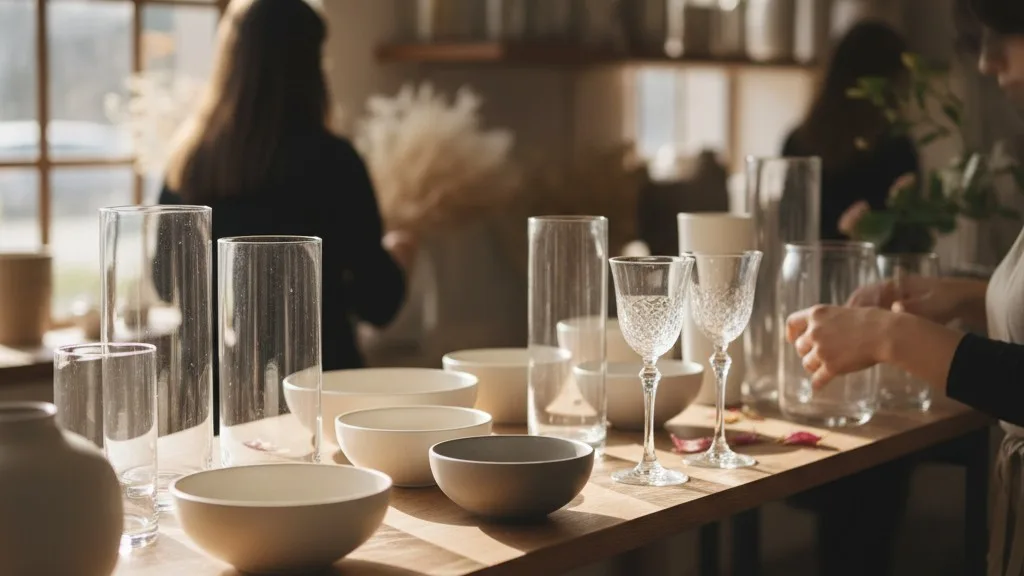
Your shop's hardgood inventory likely contains a core collection of standard vase shapes. Mastering the strengths and weaknesses of each one is essential for efficient and beautiful daily work. Each shape lends itself to particular styles and requires different techniques to achieve the best results.
Cylinder Vases
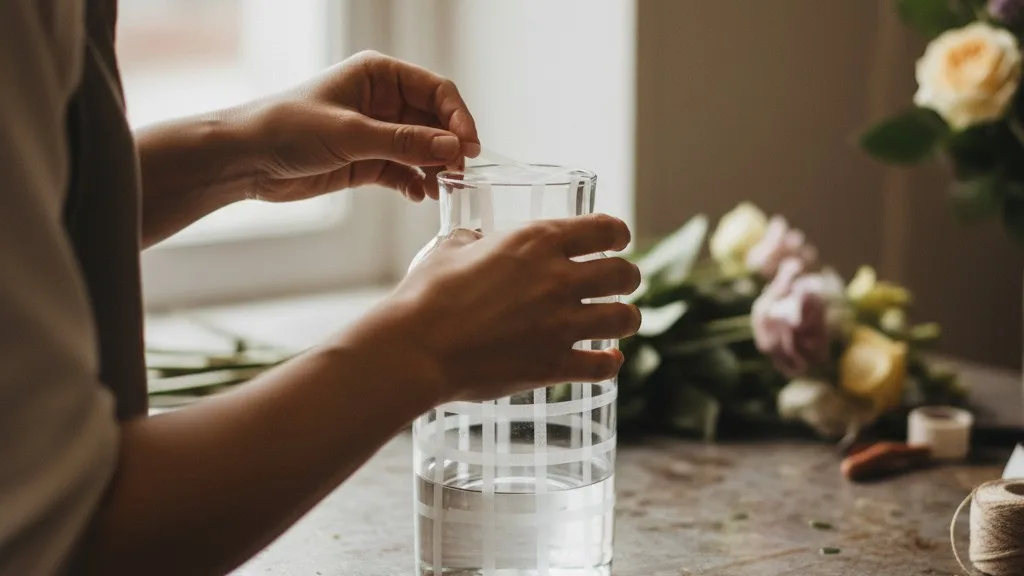
Cylinders are one of the most versatile and common shapes. Their straight sides and consistent diameter from top to bottom make them a straightforward choice for many designs. They are perfect for holding tight, compact bouquets like a dozen roses, where the stems can support each other. For looser arrangements, the wide opening requires mechanics. A grid made of clear floral tape across the top is a simple and effective way to create sections for placing stems, ensuring even distribution and preventing flowers from falling to the sides. Cylinders are also excellent for showcasing submerged stems or decorative elements like cranberries or stones in clear glass.
Trumpet Vases
Also known as flared vases, trumpet shapes are narrow at the bottom and open wide at the top. This elegant, upward-sweeping form is ideal for creating large, cascading, or fountain-like arrangements. The shape naturally encourages stems to splay outwards, creating a full and dramatic look. They are a classic choice for altar arrangements and centerpiece designs that need to make a statement. The challenge with a trumpet vase is its small base and narrow neck; it can become top-heavy. You must ensure the arrangement is balanced. The narrow neck also limits the number of stems, so your structural stems must be chosen carefully. It works well with flowers that have long, arching lines, like gladiolus, delphinium, and snapdragons.
Cube and Rectangular Vases
Low, geometric vases like cubes and rectangles are staples for modern floral design. Their clean lines and stable footprint make them perfect for creating lush, low-profile centerpieces for dining tables or coffee tables. Because they are shallow, you'll need to cut stems short. The wide opening demands a strong mechanical base. A well-secured tape grid is the most common method. For a more organic approach, a ball of chicken wire can be placed inside to hold stems at various angles. These vases are ideal for pavé arrangements, where flower heads are clustered tightly together to create a textured, colorful surface. Hydrangeas, roses, and carnations work beautifully in this style.
Bowl and Bubble Vases
Low, rounded bowls and spherical bubble vases create a sense of abundance and closeness to the table. Like cube vases, they are best for low centerpieces where guests need to see over them. The curved sides of a bubble vase can be tricky, as they tend to push stems toward the center. A tape grid or chicken wire is essential for controlling placement. These vases are wonderful for arrangements that feature floating blossoms, like gardenias or camellias, or for single, large flower heads like peonies. A kenzan, or pin frog, secured to the bottom of a shallow bowl with floral clay is a classic technique from Ikebana that allows for minimalist, sculptural designs with just a few carefully placed stems.
Bud Vases
Often overlooked, the humble bud vase is a powerful tool for profitability and design. Perfect for a single, perfect bloom or a small, delicate cluster of stems, bud vases are an excellent way to use shorter stems or single flowers left over from larger projects. They make wonderful add-on sales, small gestures of thanks, or decor for small spaces like desks and windowsills. While they seem simple, the design principles still apply. Consider the line of the stem and the proportion of the flower to the vase. A collection of several bud vases, each with a different flower, can create a stunning and dynamic tablescape.
The Mechanics of Support: What's Inside the Vase
The shape of the vase determines the type of internal mechanics you'll need to build a stable and lasting arrangement. Relying on the vase walls alone often leads to flowers shifting, drooping, or clumping together. A solid structural foundation is the unseen key to professional-looking work.
A tape grid is the fastest and most common method for vases with wide openings, like cylinders and cubes. Use clear, waterproof floral tape to create a checkerboard pattern across the mouth of the vase. This grid creates smaller openings to guide and support individual stems, giving you control over placement and spacing. For a cleaner look, keep the tape below the rim of the vase so it's not visible from the side.
Chicken wire, or floral netting, is another excellent option, especially for larger or more asymmetrical designs. A crumpled ball of wire placed inside the vase provides a matrix of anchor points for stems. Unlike floral foam, it allows stems to drink naturally and can be reused. It provides excellent stability and allows for more natural, airy designs. Always fold in the sharp edges to avoid scratching the vase or your hands.
For centuries, Japanese floral designers have used kenzans, or pin frogs. These heavy, lead bases are covered in sharp brass pins that hold stems in place. Secured to the bottom of a shallow dish with floral clay, a kenzan allows for precise, architectural placements and is a hallmark of Ikebana design. It's a sustainable and reusable mechanic that encourages a minimalist design eye.
Finally, you can use the flowers and foliage themselves to create a natural armature. A lattice of sturdy foliage stems, like salal or camellia leaves, placed in the vase first can create a web that helps hold more delicate flower stems in place. Interlocking woody branches can also form a natural, beautiful support structure within a clear vase.
Proportions and Visual Weight
Good floral design relies on a strong sense of proportion. A common guideline suggests that an arrangement should be 1.5 to 2 times the height or width of its container. This is not a strict rule but a helpful starting point for achieving visual balance. For a tall, slender vase, a tall, airy arrangement that follows this ratio will feel naturally elegant. For a low, wide bowl, a sprawling design that extends 1.5 times the width will feel grounded and generous.
However, proportion is about more than just measurements; it's about visual weight. A dark, heavy ceramic vase can anchor a much larger and wilder arrangement than a delicate, clear glass vase of the same size. The visual weight of the container must balance the visual weight of the flowers. A massive spray of flowers in a tiny vase looks precarious, while a few small buds in an enormous urn look lost. Train your eye to see the relationship between the vessel and the blooms, and adjust your design to create a sense of harmony and stability.
Managing Your Vase Inventory
For a working flower shop, vases are a significant part of hardgood inventory. Managing this stock effectively is crucial for profitability and operational efficiency. It's tempting to buy every beautiful vase you see, but a disciplined approach is better for your bottom line. Start by defining a core collection of 5-7 standard vases that can accommodate the majority of your daily orders. This should include a classic cylinder, a simple bud vase, a low cube or bowl for centerpieces, and perhaps a medium-sized ginger jar or urn.
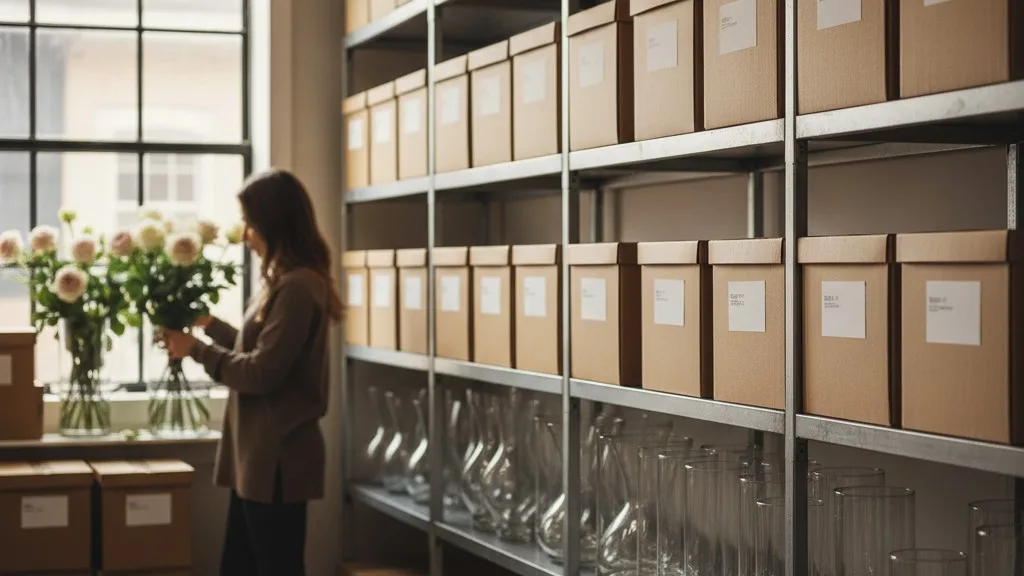
By standardizing your primary vessels, you can create consistent recipes for your signature arrangements, which makes pricing, ordering, and training new designers much easier. When you have reliable data on which arrangements sell best, you know exactly which vases to keep in stock. Modern flower shop software with product and inventory management lets you tie specific vases to your product recipes. This helps you track usage accurately and generate purchase orders before you run out of a core component for a popular item.
Of course, you'll also want a curated selection of unique, specialty vases for custom designs and seasonal offerings. These are your 'wow' pieces. They can command a higher price point and set your shop apart. The key is to balance your inventory between reliable, profitable workhorses and unique, high-margin vessels. Regularly review your sales data to see which vases are moving and which are collecting dust. A slow-moving vase is capital tied up on a shelf, so be prepared to run promotions or bundle them into specials to clear out space for what your customers truly want.
Choosing Wisely Elevates Everything
The vase is never an afterthought. It is a critical design choice that shapes the structure, style, and longevity of your floral arrangements. By understanding the language of different flower vase shapes and mastering the mechanics required for each, you can work more efficiently and create more beautiful, stable, and expressive designs. A thoughtful approach to vase selection and inventory management is a hallmark of a professional, profitable flower shop.
Orkyd helps you manage your entire shop, including the products and hardgoods that are essential to your designs. To see how you can track vase inventory and build detailed product recipes, book a conversation with us.