Every florist has heard them. A customer walks up to the counter, buys a beautiful wrap of fresh stems, and proudly explains how they plan to keep them alive for weeks using an old family secret. Whether it is dropping a copper penny into the vase, crushing an aspirin, or pouring in lemon-lime soda, these well-meaning hacks are passed down through generations. Unfortunately, most of these common flower care myths actually shorten the lifespan of the blooms rather than extending it.
For flower shop owners, designers, and delivery drivers, correcting these misconceptions is a daily task. When customers use improper home remedies, their flowers die prematurely, which can lead them to believe your shop sells sub-par product. Educating your staff and your customers on the science of floral longevity is essential for protecting your shop's reputation and reducing complaints.
Let us look at the most persistent flower care myths, why they fail from a biological standpoint, and what professional florists should recommend instead to keep arrangements looking vibrant for as long as possible.
Myth 1: Aspirin, Pennies, and Soda Keep Flowers Alive
This is perhaps the most common category of advice floating around the internet. The theory behind these home remedies makes sense on the surface, but the execution in a vase of water is usually disastrous for the stems.
The Crush-an-Aspirin Method
People believe that aspirin lowers the pH of the water, mimicking the natural acidity of plant sap and helping the stem draw water. While salicylic acid can help with water uptake, aspirin tablets are highly concentrated. Without precise measurements, adding a whole tablet to a standard vase often creates an environment that is far too acidic. This high acidity damages the stem tissue, turns the water cloudy, and actually accelerates petal drop. Instead of a home remedy, professional flower food packets contain a carefully balanced ratio of acidifiers and nutrients designed specifically for cut stems.
The Copper Penny Trick
The copper penny myth relies on the idea that copper acts as a natural fungicide to keep the vase water clean. However, modern pennies are minted primarily from zinc with only a thin copper plating. Even if you find an old, solid-copper penny, the metal does not dissolve in water fast enough to provide any meaningful antimicrobial benefit. A dirty penny simply introduces more bacteria and debris into the water, clogging the vascular system of the stems and causing them to wilt within days.
The Lemon-Lime Soda Solution
Adding soda to a vase is another popular tip because the sugar in the soda acts as food for the flowers. While it is true that cut flowers need carbohydrates, soda also contains a massive amount of sugar without any of the necessary biocides to control bacterial growth. When you pour soda into a vase, you create a perfect breeding ground for bacteria. Within hours, the water becomes a cloudy, foul-smelling soup of microbes that block the stem's water-conducting vessels, leading to bent-neck syndrome in roses and premature death in other blooms.
Myth 2: Bleach Is Always Bad for Flowers
On the opposite end of the spectrum, some people are terrified of using household bleach near their fresh flowers. They assume that a harsh chemical like bleach will immediately burn the delicate stems and petals. In reality, professional florists know that bleach is one of the most effective tools in the shop when used correctly.
The Power of a Clean Bucket
Bacteria is the number one enemy of cut flowers. When bacteria multiply in a vase, they form a slimy film that plugs the microscopic tubes inside the stem, preventing water from reaching the head of the flower. A tiny drop of household bleach can act as a highly effective biocide, keeping the water clear and free of harmful microorganisms. This is why professional shops use specialized floral sanitizers or a very weak bleach solution during the initial bucket-washing process.
The Correct Ratio for Home Use
When customers ask how to keep their water clean without professional flower food, you can safely recommend adding just a few drops of household bleach per quart of water. The key is moderation. A single drop of bleach per liter of water is enough to suppress bacterial growth without harming the plant tissue. It is important to emphasize to customers that bleach does not provide food for the flowers, so it should ideally be used in combination with a proper floral preservative rather than as a standalone solution.
Myth 3: Hairspray Preserves Petals and Blooms
This myth is especially common among brides who want to save their wedding bouquets or customers who receive sentimental sympathy arrangements. The idea is that spraying the flower heads with hairspray will seal the petals in place, preventing them from dropping or drying out.
Why Hairspray Suffocates Flowers
Flowers are living organisms that continue to respire even after they are cut. They absorb moisture and release gasses through microscopic pores on their petals and leaves. When you coat a fresh flower in hairspray, you seal these pores completely. The heavy, sticky chemicals in the spray suffocate the bloom, locking in moisture that quickly turns into mold. Instead of preserving the flower, hairspray causes the petals to turn brown, crisp, and brittle within a matter of days.
The Professional Alternative for Preservation
If a customer wants to preserve their flowers, they should avoid aerosol sprays entirely. For fresh arrangements, professionals use specialized anti-transpirant sprays, which are designed to slow down moisture loss without sealing the petals completely. For long-term preservation, the only reliable methods are air-drying the stems upside down in a dark, dry room, or burying the flower heads in silica gel to extract the moisture slowly and evenly without damaging the delicate structure of the petals.
Myth 4: Stripping All Foliage Is the Best Practice
Many amateur arrangers believe that removing every single leaf from a stem is the best way to ensure the flower head gets all the water and nutrients. While stripping foliage is an important part of processing, over-stripping can actually harm the visual appeal and health of the arrangement.
The Danger of Foliage Below the Waterline
The golden rule of floral processing is to remove any leaves that will sit below the waterline in the vase. Leaves left underwater rot quickly, creating a bacterial breeding ground that ruins the water quality. Stripping this lower foliage is non-negotiable for both retail florists and home consumers. It keeps the water clear and ensures the stem can draw clean water without obstruction.
Why Upper Leaves Matter
However, removing the foliage that sits above the waterline is a mistake. The upper leaves play a crucial role in the plant's natural vascular system, helping to pull water up the stem through a process called transpiration. Additionally, leaves provide essential green contrast that frames the blooms. Removing all the leaves makes the arrangement look bare, unnatural, and structurally weak. Train your design team and advise your customers to strip only the bottom third of the stem, leaving the healthy upper foliage intact.
Myth 5: Hot Water "Wakes Up" Sleepy Stems
We have all heard the advice to put wilted flowers into boiling or very hot water to revive them. While there is a specific professional technique called "scalding" used for certain woody stems or sap-producing flowers, using hot water as a general rule for all flowers is a dangerous myth.

The Damage Caused by High Temperatures
For the vast majority of soft-stemmed flowers, such as tulips, ranunculus, and daffodils, hot water is highly destructive. High temperatures cook the delicate tissue of the stem, breaking down the cell walls and turning the bottom of the stem into mush. Once the stem tissue is cooked, it can no longer draw water, and the flower will wilt and die much faster than it would have in cool or room-temperature water.
When to Use Warm vs. Cool Water
As a general rule, fresh flowers should be placed in cool or lukewarm water. Cool water slows down the opening of the buds, allowing the flowers to last longer in the home. The only time warm water is beneficial is when you are trying to force tight buds to open quickly for an event, or when processing woody stems like hydrangeas that require a slightly warmer temperature to clear air bubbles from their vascular pathways. Even then, the water should be warm to the touch, never hot or boiling.
Myth 6: Any Vase and Any Tap Water Will Do
Many people assume that as long as a container holds water, it is a suitable vase for flowers. They also assume that standard tap water is perfectly fine for every variety of bloom. In reality, the material of the vessel and the quality of the water play a massive role in floral longevity.
The Problem with Metal and Dirty Containers
Using metal buckets or vases without a plastic liner can be highly detrimental to flowers. The acidic nature of floral preservatives can react with certain metals, releasing toxic ions into the water that poison the stems. Furthermore, a vase that has not been thoroughly scrubbed with soap and water since its last use is already coated in bacteria, even if it looks clean to the naked eye. To learn more about selecting the right containers for your designs, read our A Florist's Guide to Choosing the Right Flower Vase Shapes.
Water Chemistry and Hard Water
Tap water that is highly alkaline or contains high levels of sodium, calcium, or fluoride can severely impact the vase life of sensitive flowers like gerbera daisies and gladiolus. Hard water prevents floral preservatives from dissolving properly and can clog stem pathways. While you cannot control the water quality in your customers' homes, you can control the water in your shop. Many successful florists invest in water filtration or softening systems to ensure their processing water is at the optimal pH and purity level before it ever reaches the cooler.
How Professional Shops Manage Stem Freshness and Inventory
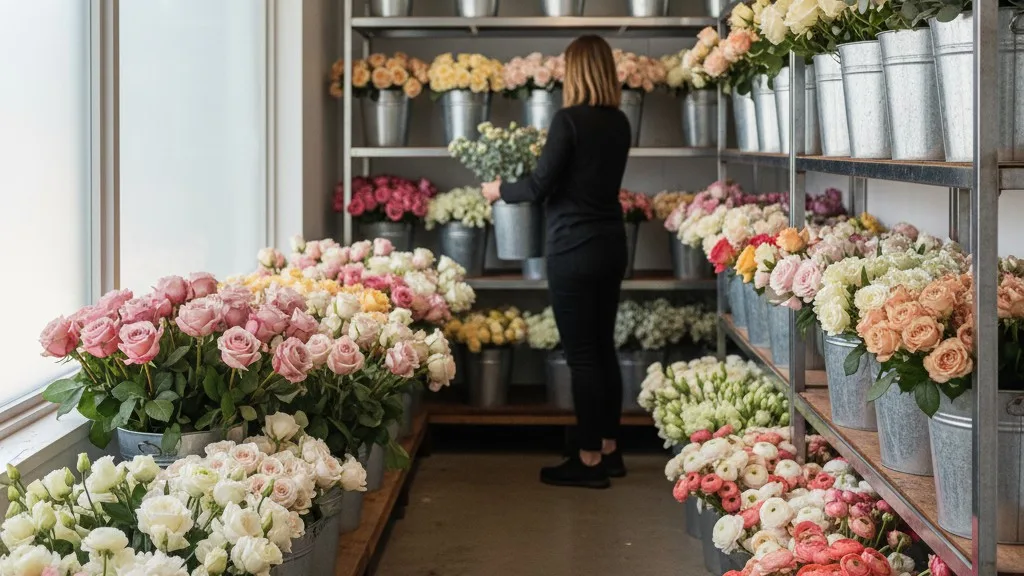
Debunking these common flower care myths for your customers is only half the battle. To ensure the flowers leaving your shop are of the highest quality, your internal inventory and processing workflows must be incredibly tight. Managing perishable inventory is one of the most difficult aspects of running a floral business.
Using a structured system to track when stems arrive, how long they have been in the cooler, and which recipes they belong to is essential for minimizing waste. If you are struggling with high spoilage rates or disorganized cooler rotations, check out our guide on How Florist Inventory Management Can Drastically Reduce Floral Waste. Keeping your inventory fresh ensures that when you debunk myths for your customers, you are sending them home with product that is genetically primed to last.
For busy seasons when overbuying is a constant risk, having historical data at your fingertips is a lifesaver. You can learn how to protect your margins and optimize your cooler workflows in our A Practical Guide to Florist Inventory Management for Busy Seasons. When your shop operates with scientific precision, your customers get better results, and your bottom line stays healthy.
Educating Your Customers for Long-Term Success
The best way to fight these common flower care myths is through consistent, friendly education. Consider printing simple, modern care cards to tuck into every wrap and arrangement. Train your retail staff to briefly explain the importance of clean water, cool temperatures, and professional flower food during the checkout process. When your customers understand the science behind flower care, they will enjoy their blooms longer and trust your shop as the local authority on all things floral.
Managing these customer relationships, tracking inventory, and organizing daily deliveries can quickly become overwhelming without the right tools. A dedicated flower shop order management system helps keep your entire team on the same page, from the design bench to the delivery van.
Orkyd provides a web-based point-of-sale system built specifically for the realities of the modern florist. With features like product catalog management, recipe tracking, and streamlined delivery scheduling, Orkyd helps you run a more organized and profitable shop. To see how Orkyd can simplify your daily workflow, book a free 30-minute demo today.