Every florist knows the pit in their stomach when the cooler is either completely empty before a busy weekend or overflowing with expensive, rotting stems on a slow Tuesday. Learning how to order flowers like a pro is the difference between running a profitable, calm shop and constantly fighting fires. When you master the art of wholesale floral purchasing, your designers always have the right ingredients, your delivery drivers have stable arrangements to transport, and your bottom line stays protected.
Ordering wholesale flowers is not about guessing what will look pretty; it is a systematic business process. It requires a clear understanding of your shop's historic sales, a disciplined approach to design recipes, and strong relationships with your suppliers. Whether you are a new shop owner, an experienced designer taking over the buying duties, or a manager looking to tighten up operations, this guide will walk you through the practical, step-by-step reality of wholesale floral purchasing.
The Reality of Wholesale Floral Ordering
Before you place a single call to a sales representative or log into an online portal, you must understand that wholesale ordering is a balancing act of perishability, transit times, and design utility. Unlike retail ordering, where a customer buys a finished product, wholesale ordering requires you to think in raw components, bunches, and stem counts. You are buying raw materials that begin to decay the moment they are harvested.
To order like a professional, you must abandon the habit of "buying with your eyes." It is easy to get carried away when looking at a wholesaler's fresh sheet, selecting beautiful novelty blooms that catch your attention. However, if those blooms do not fit into a specific recipe, a scheduled event, or your daily shop color palette, they will likely end up in the compost bin. Professional buying is always driven by data, structure, and pre-calculated needs.
Step 1: Establish Your Baseline Inventory and Formula-Based Ordering
The foundation of professional floral ordering is structured inventory management. You cannot make smart buying decisions if you do not know exactly what is already sitting in your cooler and what your designers actually use on a weekly basis. To get a handle on this, you should read The Ultimate Guide to Florist Inventory Management to establish your basic tracking systems.

The Core Recipe Method
Every standard arrangement your shop offers—whether it is a signature daily vase, a sympathy tribute, or a simple birthday wrap—must have a strict recipe. A recipe defines the exact number of focal flowers, secondary flowers, textures, filler flowers, and foliage stems required to build the design. When you know your recipes, you can translate your projected sales directly into stem counts.
For example, if your shop expects to sell ten of your signature medium pastel arrangements next week, you do not guess how many roses or eucalyptus bunches to buy. You multiply the recipe requirements by ten. If the recipe calls for three roses, two spray rose stems, three ranunculus, two stems of waxflower, and three stems of silver dollar eucalyptus, your raw stem requirement is thirty roses, twenty spray rose stems, thirty ranunculus, twenty waxflower stems, and thirty eucalyptus stems. From there, you round up to the nearest wholesale bunch size.
Accounting for Shrinkage and Stem Loss
No shipment of flowers arrives in perfect condition. Some stems will break in transit, some will succumb to botrytis, and others will simply fail to hydrate properly. This loss is known as shrinkage. Professional buyers always factor a standard wastage percentage into their orders. While this percentage varies depending on the season and the source, many shops find that factoring in a percent loss rate keeps them safe without overstocking the cooler.
If your recipes require ninety roses for the week, do not order exactly ninety stems. Since roses are typically sold in bunches of twenty-five, ordering four bunches gives you one hundred stems. This leaves you with ten buffer stems to cover breakage, poor quality, or unexpected walk-in orders. Understanding how to manage these margins is crucial for reducing floral waste, which you can read about in detail in our guide on How Florist Inventory Management Can Drastically Reduce Floral Waste.
Step 2: Build Relationships with Multiple Wholesale Sources
Relying on a single wholesale source is a major risk for any flower shop. Weather events, transportation delays, and crop failures happen constantly in the floral industry. To protect your business, you must diversify your supply chain.
Local Growers vs. National Wholesalers
A healthy buying strategy combines local flower farms with larger, national or international wholesalers. Local growers are excellent for high-quality, seasonal specialty blooms that do not travel well, such as dahlias, sweet peas, and garden roses. These flowers are often harvested within twenty-four hours of reaching your shop, giving you maximum vase life and exceptional beauty.
However, local farms cannot always supply your year-round staples like carnations, leatherleaf, or standard roses. For these, you need a reliable relationship with a larger wholesaler who imports from major growing regions like Colombia, Ecuador, or Kenya. These distributors provide consistency in pricing, grading, and availability throughout the year.
The Pitfalls of Relying on a Single Source
If your sole wholesaler experiences a shipping delay on a Thursday, your entire weekend of wedding and event work is put in jeopardy. By maintaining accounts with at least two or three suppliers, you create a safety net. If one supplier cannot fulfill your order or delivers subpar product, you can quickly reach out to your secondary sources to fill the gaps. Always communicate openly with your sales representatives; they appreciate honesty about your needs and will work harder to source hard-to-find items when they know you are a loyal, reliable account.
Step 3: Master the Timing of Your Flower Orders
Timing is everything when learning how to order flowers like a pro. Flowers are living products that require time to travel, hydrate, and open before they are ready for a customer's vase. If you order flowers to arrive the day of an event, you will be designing with tight, closed buds that look underwhelming and lack visual impact.
Standard Weekly Ordering Timeline
For regular, daily shop operations, a typical weekly ordering schedule looks like this:
- Monday: Take physical inventory of the cooler. Review orders placed over the weekend. Place your primary flower order for Wednesday arrival.
- Wednesday: Receive the primary shipment. Process, cut, and hydrate the flowers immediately. This gives the blooms forty-eight hours to open beautifully for weekend deliveries.
- Thursday: Assess weekend order volume. Place a small, supplementary "fill-in" order for Friday arrival if walk-in traffic or last-minute orders are higher than expected.
- Friday: Receive the fill-in shipment. Complete major design work for Saturday deliveries and events.
Holiday and Event Booking Timelines
For major holidays like Valentine's Day or Mother's Day, this weekly schedule goes out the window. You must book your product weeks or even months in advance to secure the best pricing and availability. To navigate these high-stress times without losing your mind or your profits, refer to our resource on A Practical Guide to Florist Inventory Management for Busy Seasons. Planning early allows you to lock in your color palettes and stem counts before wholesale prices spike.
Step 4: Inspecting and Receiving Your Floral Shipments
The ordering process does not end when you submit your order to the wholesaler. It only ends when the flowers are processed, inspected, and safely stored in your cooler. How you handle the delivery day determines whether your ordered product actually turns into profit.
The Cooler Check-In Process
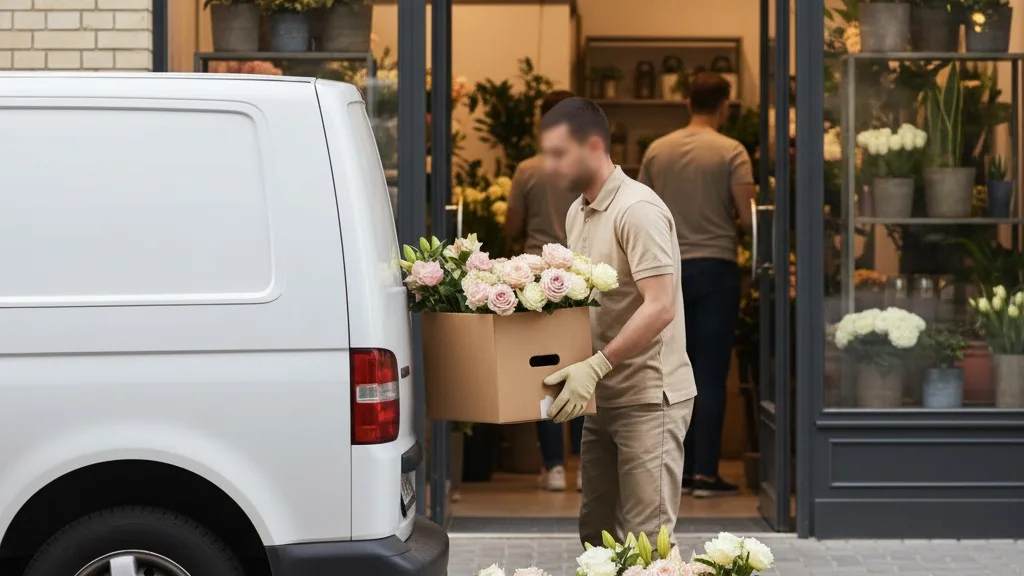
When the delivery truck arrives, do not simply sign the clipboard and stack the boxes in the corner. You must inspect the product immediately. Open the boxes and check for the following common issues:
- Temperature: Are the boxes hot to the touch? If flowers have been sitting in a warm truck for hours, their vase life will be severely compromised.
- Physical Damage: Look for snapped heads, crushed buds, or broken stems.
- Diseases and Pests: Inspect the foliage and petals for signs of mold, mildew, or insect damage. Gray mold on rose petals is a sign of botrytis, which will quickly spread in a damp cooler.
- Hydration: Are the stems dry and limp, or are they firm? If they are excessively dry, they will require immediate, careful hydration.
Documenting and Claiming Damaged Product
If you find damaged or low-quality product, you must document it immediately. Take clear, well-lit photographs of the damaged stems, the bunch label, and the box label. Contact your wholesale sales representative right away. Most wholesalers have a strict twenty-four to forty-eight hour window for filing credit claims. If you wait until you are designing the arrangement on Friday to complain about a bad bunch of roses that arrived on Wednesday, your wholesaler is unlikely to issue a credit. Be professional, prompt, and factual when requesting credits.
Step 5: Using Technology to Streamline Your Ordering Workflow
Trying to manage recipes, calculate stem counts, track inventory, and place wholesale orders using paper notebooks or messy spreadsheets is a recipe for burnout. As your shop grows, these manual systems will inevitably lead to costly mistakes, such as double-ordering or forgetting a crucial event flower altogether.
Modern flower shops use dedicated software to handle these complex calculations. By using a centralized point-of-sale and inventory system, you can track your daily sales patterns, store your design recipes, and see exactly what flowers you need to order for upcoming orders. This keeps your cooler stocked with fresh, profitable product while minimizing the stress of manual calculations.
Conclusion: Elevating Your Shop's Buying Habits
Learning how to order flowers like a pro is an ongoing practice of refinement. It requires you to look closely at your design habits, your relationship with wholesalers, and your daily cooler workflows. By shifting from emotional, visual buying to structured, recipe-based ordering, you protect your shop's profitability, reduce daily stress, and ensure your customers always receive the freshest, longest-lasting blooms possible. Take the time to build your baseline recipes, diversify your suppliers, and stick to a disciplined weekly timeline.
To see how a dedicated, web-based flower shop system can help you organize your daily orders, track your perishable inventory, and streamline your entire shop workflow, take a look at Orkyd's point-of-sale features. You can book a free, 30-minute conversation with our team by visiting the Orkyd Contact Page to learn how we support independent florists with simple, powerful tools built for the real flower shop workflow.