Talking about money can be one of the most challenging parts of the wedding planning process, both for the client and for you. Couples often have a grand vision but little context for what floral design actually costs. This wedding flower budget guide is designed to help you lead productive, empathetic conversations with your clients, turning budget anxiety into a collaborative plan for a beautiful event.
By breaking down where to splurge for maximum impact and where to save smartly, you can help them make informed choices they feel good about. A clear, realistic budget is the foundation for a successful partnership and a stunning wedding day.
Setting the Stage: The Initial Budget Conversation
The first consultation is your opportunity to build trust and set realistic expectations. Many clients are hesitant to name a number first, fearing it will anchor the price too high. It's your job to create a comfortable space for them to share their financial reality. Start by explaining your process and why knowing their budget helps you serve them better.
Explain that a budget isn't a limit on creativity; it's a guide. It helps you suggest the right flowers, styles, and arrangement sizes to bring their vision to life without causing financial stress. Instead of asking “What’s your budget?” as the first question, try framing it differently:
- “To help me create the most impactful proposal for you, could you share a comfortable spending range you have in mind for your wedding flowers?”
- “Weddings have so many moving parts. Have you and your partner thought about how flowers will fit into your overall event budget?”
- “Some couples prioritize a lush, flower-heavy experience, while others prefer a few strategic, beautiful moments. Where on that spectrum do you see yourselves?”
Come prepared with visual aids that show examples at different price points. A photo of a simple bud vase centerpiece next to a lush, overflowing compote arrangement tells a story that words alone cannot. When a client shows you an inspiration photo from Pinterest, gently guide them by talking through the specific elements. Explain that the cost depends on the types of flowers (peonies vs. carnations), the density of the arrangement, and the scale. This educational approach positions you as a trusted expert, not just a vendor.
Where to Splurge: High-Impact Floral Moments
When a client’s budget can’t cover every surface with premium blooms, your guidance on where to allocate funds is invaluable. Help them focus their spending on the elements that get the most attention and have the biggest emotional and visual impact. These are the details that will be most prominent in their memories and their photographs.
The Personal Flowers
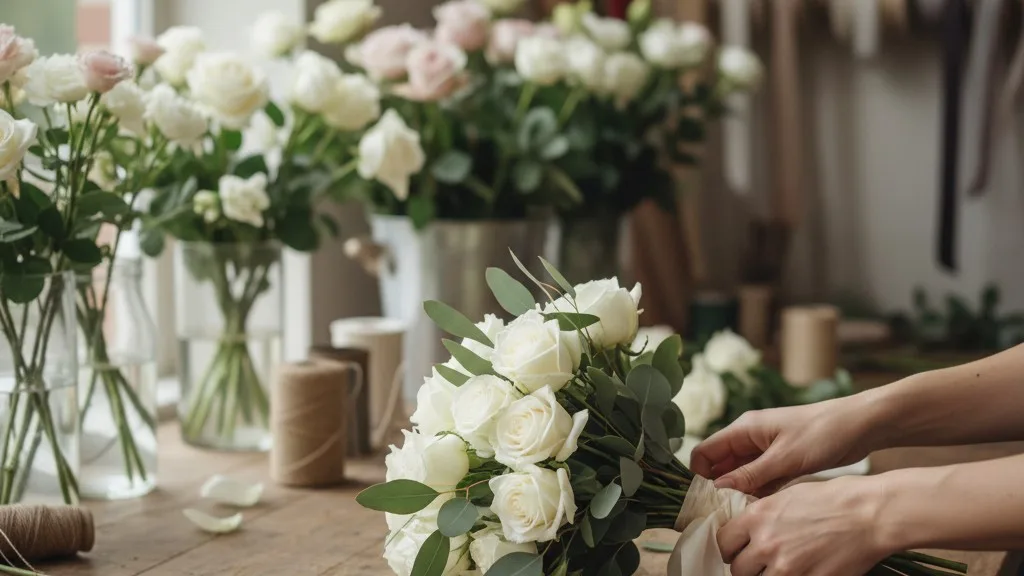
The bridal bouquet is the single most important floral piece of the entire wedding. It will be in the bride’s hands for hours, appear in a majority of the formal photographs, and is a deeply personal expression of their style. This is not the place to cut corners. Encourage clients to splurge on their favorite, most meaningful flowers for the bouquet, even if those blooms are used more sparingly elsewhere. The same principle applies to other key personal flowers, like boutonnieres for the partners and corsages for honored family members.
The Ceremony Focal Point
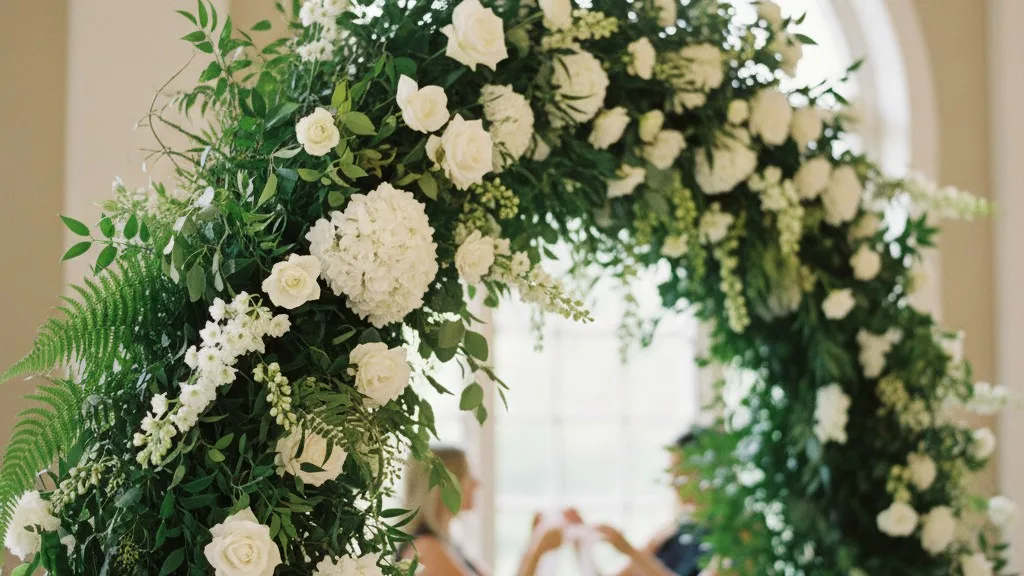
Whether it’s a dramatic arch, a grounded floral installation, or a lushly decorated chuppah, the ceremony backdrop is the setting for the day's most important moment. It’s also the background for every photo of the couple saying their vows. A spectacular ceremony structure creates a powerful first impression for guests and a breathtaking frame for the couple. Advising clients to dedicate a significant portion of their budget here ensures a huge visual return on their investment. It sets the tone for the entire event and creates a memorable, photogenic scene.
The Head Table or Sweetheart Table
While it’s tempting to want elaborate centerpieces on every single guest table, the reality is that the couple's table gets the most attention. This is where they will sit, where toasts will be directed, and where many candid photos will be taken. A lush, detailed, and truly special floral design for the head table or sweetheart table creates a beautiful focal point in the reception space. You can then design simpler, complementary arrangements for guest tables, tying the room together without breaking the budget.
Smart Savings: Getting the Most from Your Client's Budget
Helping clients save money doesn't mean delivering a lesser product; it means being a creative and resourceful partner. There are many ways to achieve a beautiful, flower-filled look without specifying the most expensive stems for every single item. Your expertise can guide them toward choices that are both stunning and financially sensible.
Embrace Seasonal and Local Flowers
This is the number one rule for cost-effective floral design. Flowers that are in season and grown locally are more abundant, which means they are less expensive, fresher, and have a smaller carbon footprint. Take the time to educate your clients about what will be blooming at the time of their wedding. A bride who loves peonies but is getting married in October might be delighted by the gorgeous garden roses or dahlias that are at their peak. For more ideas, our guide to seasonal fall flowers is a great starting point for autumn weddings.
Repurpose, Repurpose, Repurpose
Get more mileage out of key arrangements by moving them from the ceremony to the reception. Large altar pieces can be placed on either side of the reception entrance or behind the head table. Aisle markers can be gathered and grouped to decorate the cake table or bar. Be transparent with your client about the labor and logistics involved. Repurposing requires coordination and often an additional fee for a designer to stay through the ceremony, but this cost is almost always less than paying for two separate sets of large-scale arrangements.
Choose Strategic Blooms
Some flowers are simply more expensive than others due to demand, fragility, or difficulty in cultivation. You can create a high-end look by using a few “star” blooms (like garden roses or orchids) as focal points and filling out the arrangement with more economical, but still beautiful, complementary flowers like carnations, chrysanthemums, or alstroemeria. When handled with skill, these so-called “filler flowers” can provide wonderful color, texture, and volume. It's all in the design.
The Power of Greenery and Texture
A lush, full look doesn't always have to come from flowers alone. Greenery is a florist's best friend when it comes to maximizing a wedding budget. Foliage-heavy designs are not a compromise; they are a distinct and beautiful stylistic choice that can feel organic, romantic, and modern. Encourage clients to consider arrangements that celebrate the beauty of different leaf shapes, colors, and textures.
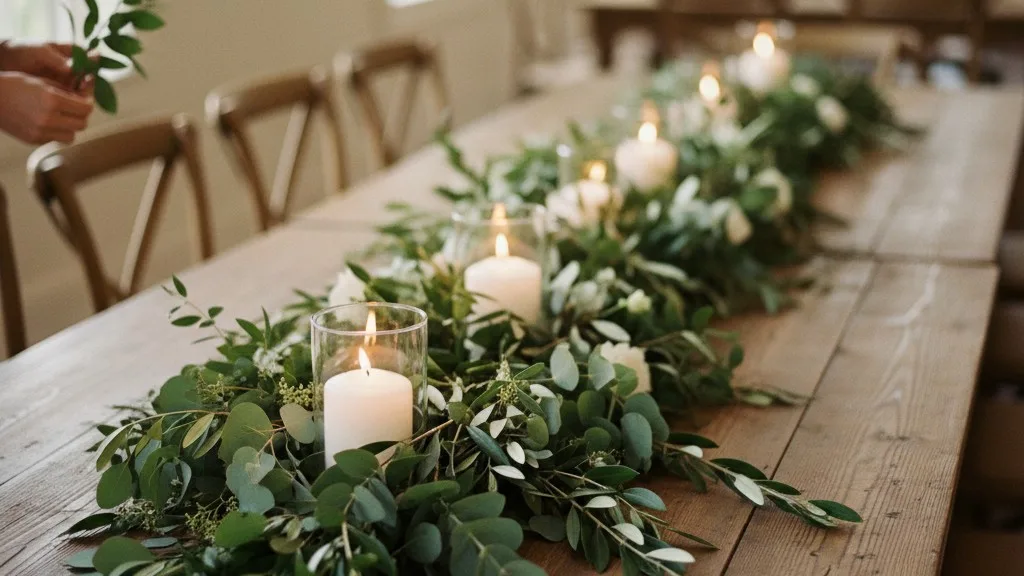
Eucalyptus, smilax, ferns, and olive branches can be used to create stunning garlands, dramatic hanging installations, and full, natural-looking centerpieces for a fraction of the cost of flower-dense designs. You can also incorporate other textural elements like dried grasses, seed pods, branches, or even fruits and vegetables to add interest and volume. A runner of mixed greenery down the center of a long banquet table can have just as much impact as 20 individual centerpieces, and it fosters a more communal, family-style atmosphere. Explaining these options shows your creative range and your commitment to working within their budget.
Managing Expectations with a Clear Proposal
A detailed, itemized proposal is your most important tool for communication and expectation management. It translates your conversations into a concrete plan, leaving no room for misunderstanding. This document protects both you and your client and ensures everyone is aligned on the vision and the costs. Your proposal should be more than just a list of prices; it should be a descriptive guide to the wedding florals.
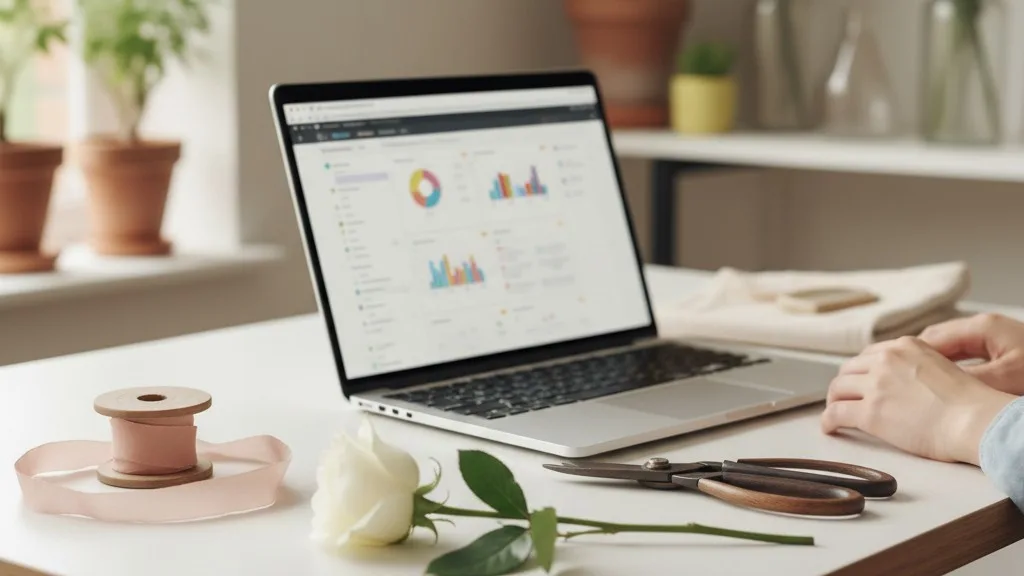
For each item, include quantities, a description of the style and color palette, and list some of the key flowers and foliage you plan to use. It's also wise to include a substitution clause explaining that you will always maintain the style and color palette but may need to make swaps based on market availability. Using a system that helps you build these detailed proposals efficiently is key. Modern flower shop software like Orkyd allows you to create product recipes and detailed descriptions that can be pulled into client proposals and contracts, ensuring consistency and saving you hours of administrative work.
When you present the proposal, walk the client through it line by line. This gives them a chance to ask questions and make adjustments. If the total is higher than their initial budget, your itemized list makes it easy to see where they can make changes. Perhaps they decide to have fewer large centerpieces and more bud vases, or to skip the floral installation on the welcome sign. This collaborative editing process empowers them to make the final decisions and feel in control of their spending.
The Final Word on Your Budget Guide
Guiding a couple through their wedding flower budget is a delicate art. It requires empathy, clear communication, and a deep well of creative problem-solving. By framing the budget not as a restriction but as a framework for creativity, you transform a potentially stressful conversation into an opportunity to build trust and collaborate on a shared vision.
When you empower clients with knowledge about where their money makes the most impact, you become more than their florist—you become their trusted design partner. This approach leads to happier clients, smoother projects, and a stronger reputation for your business. The goal is a beautiful wedding and a client who feels they received incredible value, no matter the size of their budget.
Creating detailed, professional proposals and contracts is simple with the right tools. If you're looking for a system built for the real-world workflow of a flower shop, we invite you to book a conversation about Orkyd.